The Dev Name Problem
Most products start with a working title — something functional, descriptive, and unmemorable. Ours was MyCalendone.
“MyCalendone” = “My Calendar” + “Done”
It was never a brand; it was a placeholder. The problem is that placeholders have a way of sticking around past their welcome, showing up in browser tabs, OAuth consent screens, and app stores long after you needed them to.
The moment you decide to show something to real users, the name stops being internal shorthand and starts being the first impression.
What We Were Actually Naming
Before picking a name, we had to be honest about what the product does — and what it does not do.
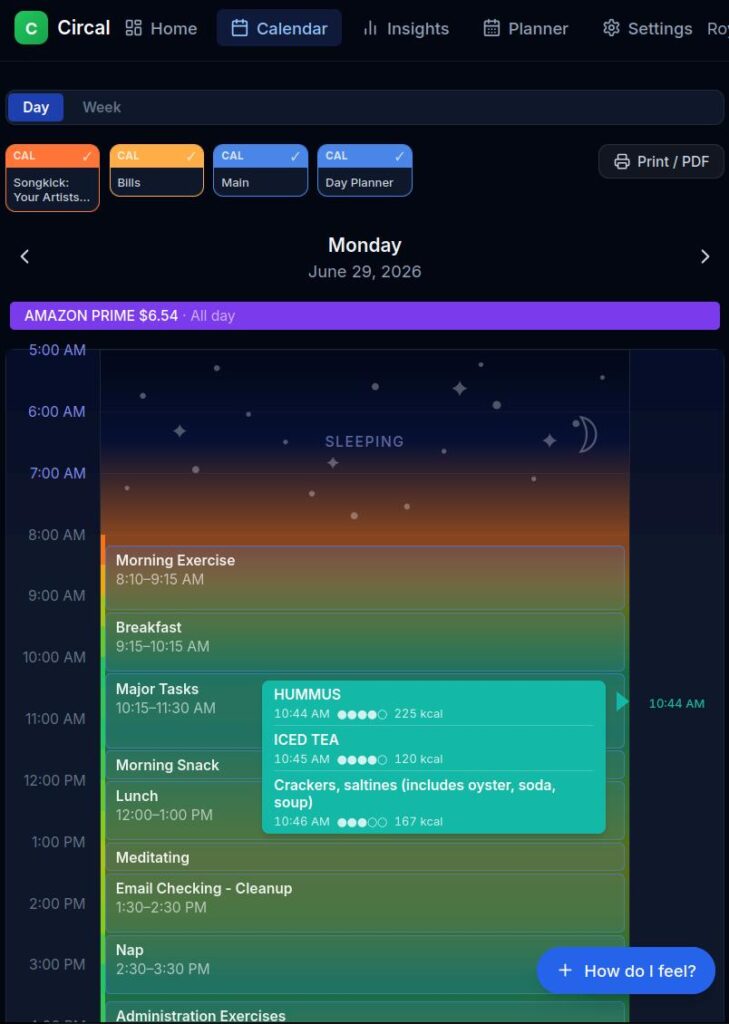
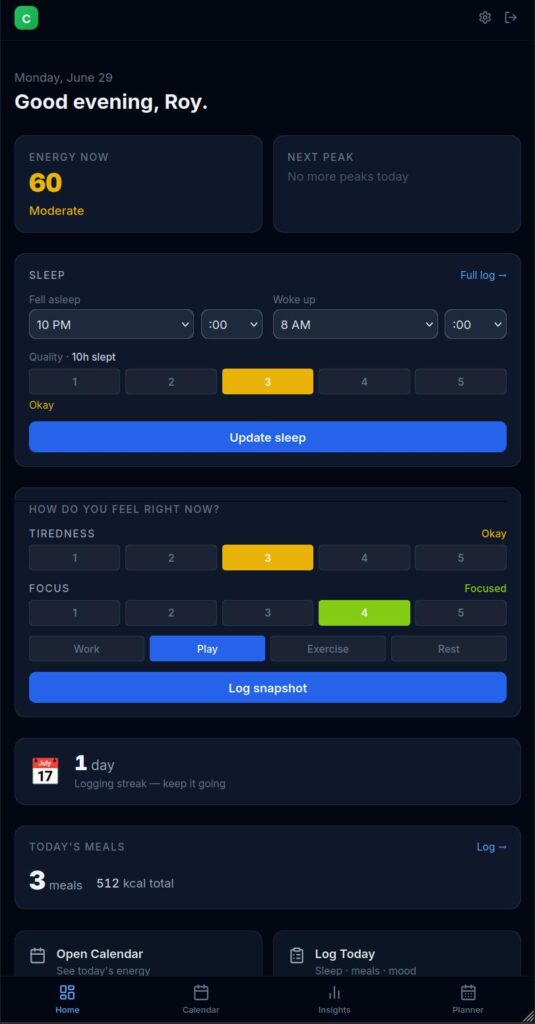
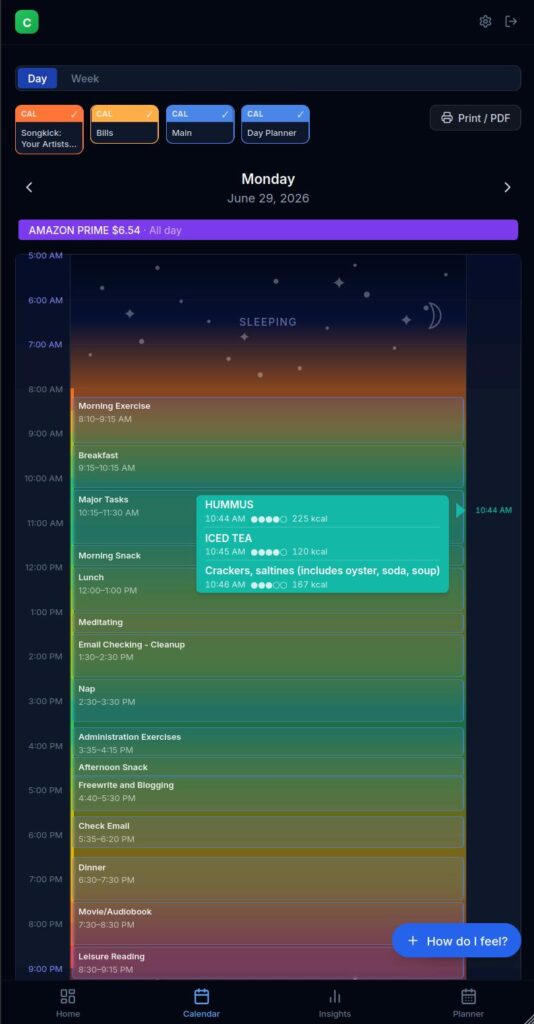
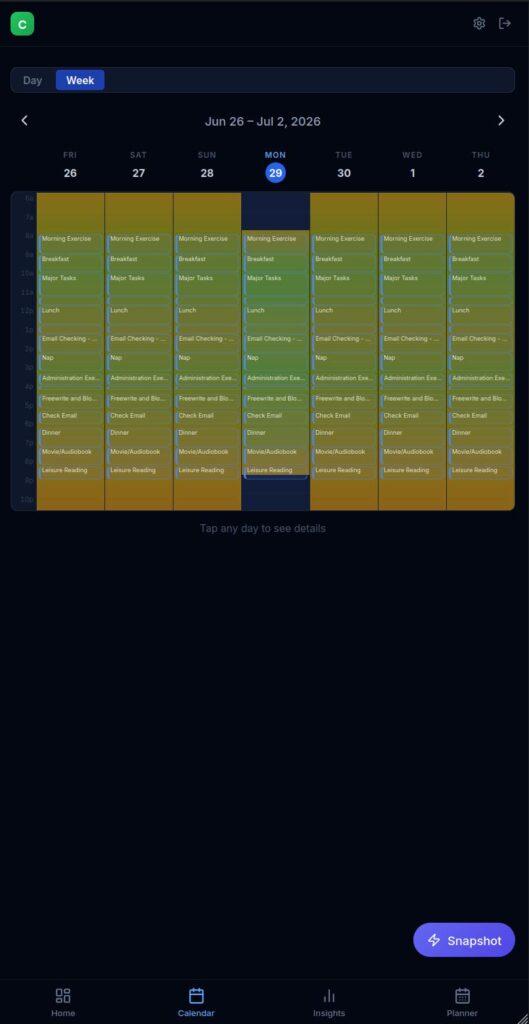
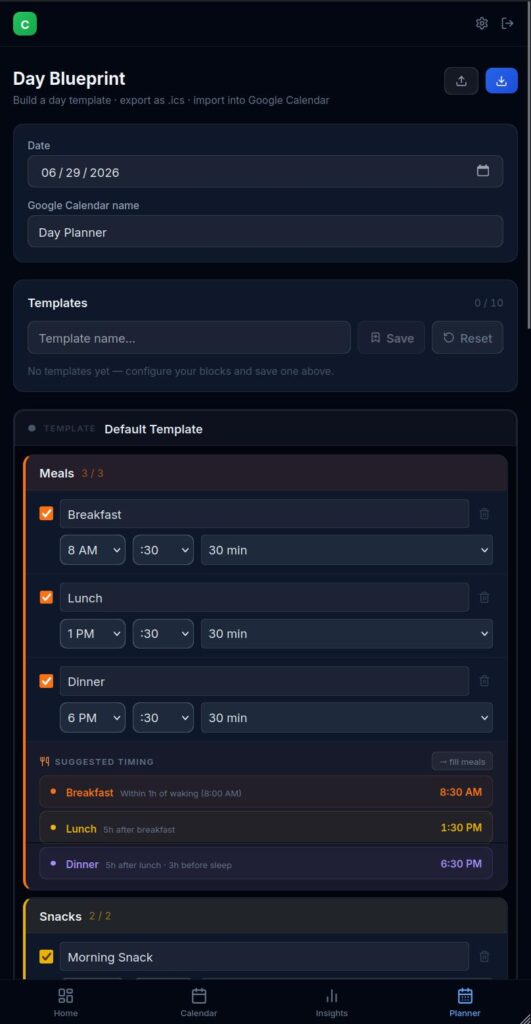
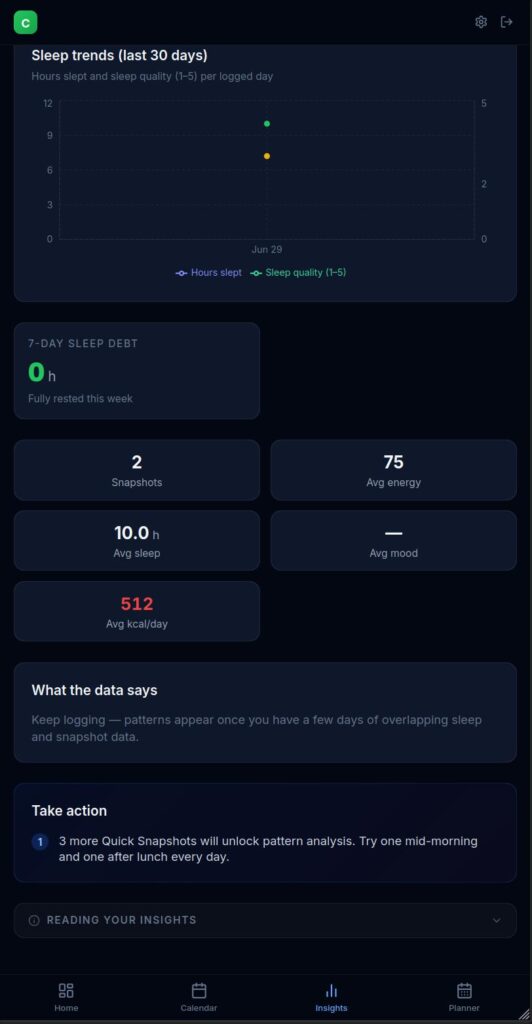
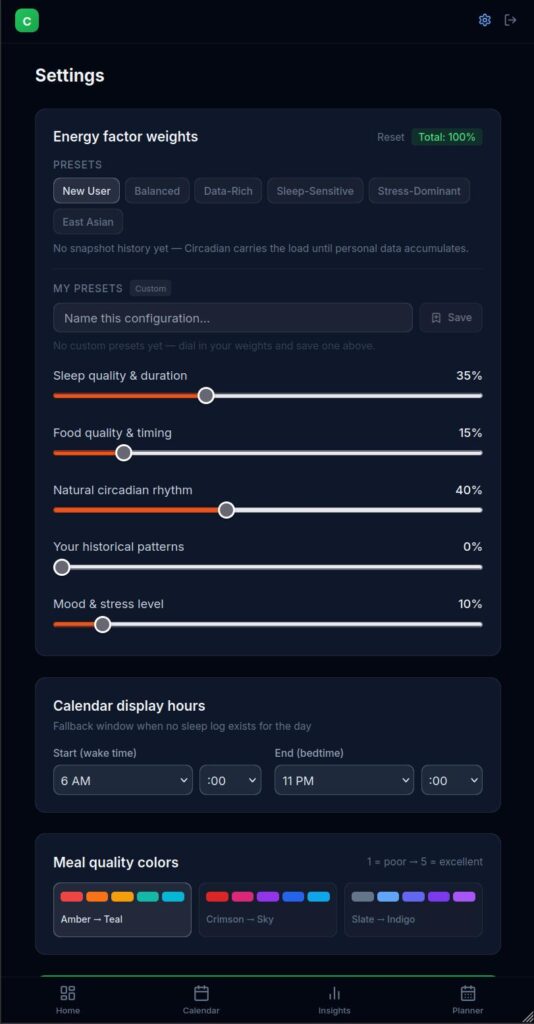
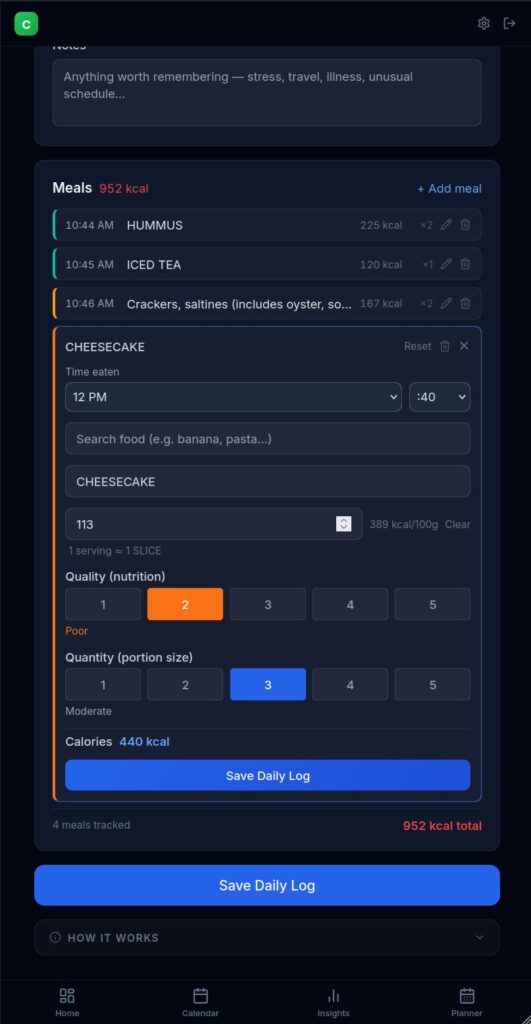
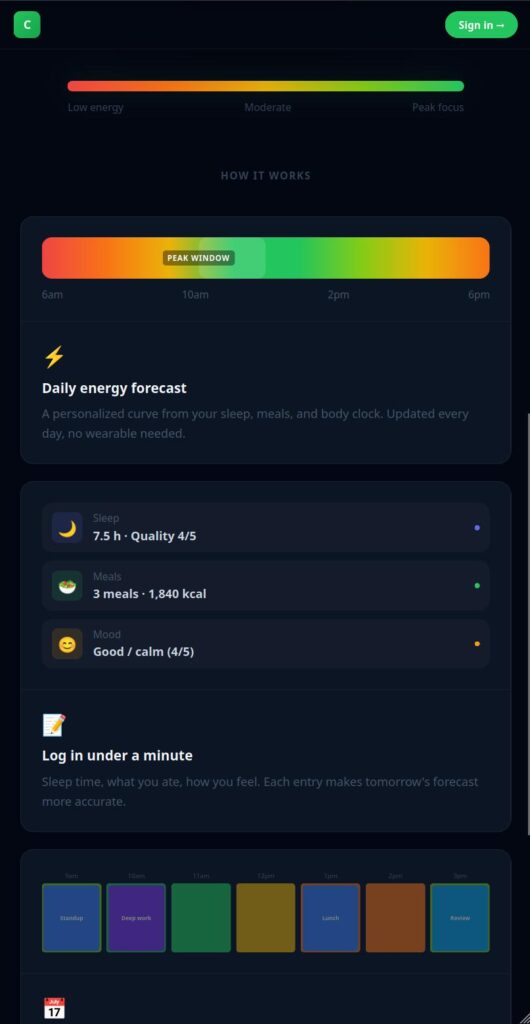
Circal overlays your personal energy forecast on Google Calendar. It uses sleep, meals, mood, and circadian science to predict which hours of your day will be sharp and which will be foggy. That is it. It does not promise to make you productive. It does not claim to optimise your performance. It shows you a pattern so you can make better decisions.
This constraint — describe, don’t promise — is the most important filter you can apply to a product name. Names that overpromise (“PeakFlow”, “MaxFocus”, “OptimizeMe”) attract skeptical users and set expectations the product will eventually disappoint. Names that describe without claiming leave room for the product to surprise people.
The Shortlist and Why Most Names Failed
We ran through several candidates:
- Coilendar — an attempt to blend something with “calendar.” The coil reference was unclear. Users have no reason to decode it.
- Circallacric — a palindrome of “circal” (c-i-r-c-a-l-l-a-c-r-i-c). Clever in concept; useless in practice. A palindrome is a party trick. No one hears it once and types it correctly. No one says it aloud to a friend. The insight behind it — that the product relates to circadian rhythms — was real, but the execution buried it under twelve characters of noise.
- Peakly, Flowtide, Kiro — each had something, but either overpromised (Peakly implies optimization) or was too abstract (Kiro means nothing without explanation).
Why Circal Worked
Circal = circadian + calendar. Two words that are both directly relevant, compressed into one that is short, spellable, and pronounceable on the first try. You can say it in a sentence — “I use Circal to plan my day” — and the other person can find it.
It also does not promise anything. It does not say your energy will improve, that you will be more productive, or that the app will change your life. It is a name that describes a category (circadian-aware calendar) without making a claim about outcomes. That is exactly the right register for a product still earning trust.
The broader lesson: the best product names are short, concrete, and category-adjacent without being category-obvious. They hint at the domain without spelling it out, which leaves room for the brand to develop its own meaning over time.
The Domain Reality
Good names and available domains are rarely the same thing. circal.com was taken. circal.app was taken. This is the norm, not the exception — any short, pronounceable word in a common TLD has almost certainly been registered.
The practical path is the “try” prefix: trycircal.app. This convention is well-established (tryfigma, trymirror, and dozens of others used it before going to a clean domain). It reads as an invitation — try Circal — which is appropriate for a product in early testing. It is available at $9.99/year, a reasonable placeholder until the brand has enough traction to justify buying a premium domain from its current owner.
Domain choice is critical to long-term SEO, and this decision is not yet final. That analysis is pending — but the principle is: secure the best available option now, plan the upgrade when it makes economic sense.
The Decisions That Transfer
If you are naming a product for the first time, the order of operations matters:
- Define what the product does in one honest sentence before you touch a name.
- Filter for pronounceability — if you can’t say it to someone and have them spell it correctly, it will not spread.
- Reject clever — palindromes, portmanteaus with three syllables, and abstract invented words all fail the same test: they require explanation.
- Check domain availability early — not to let it dictate the name, but to know your options before you fall in love with something unavailable.
- Ship with a good-enough name — a clean placeholder with a clear upgrade path beats a perfect name you spend six weeks debating.
The name is not the brand. The brand is what people say about the product when you are not in the room. The name just needs to get out of the way.